

Xenoverse origins / R-068
Greta GreaseOrigin story
Greta Grease and the Voice She Could Not Keep
A Rendering Vat Cleaner must decide whether to preserve an inseparable recording requested by a grieving sister when another recorded worker explicitly asks for it to be destroyed.
Read the origin ↓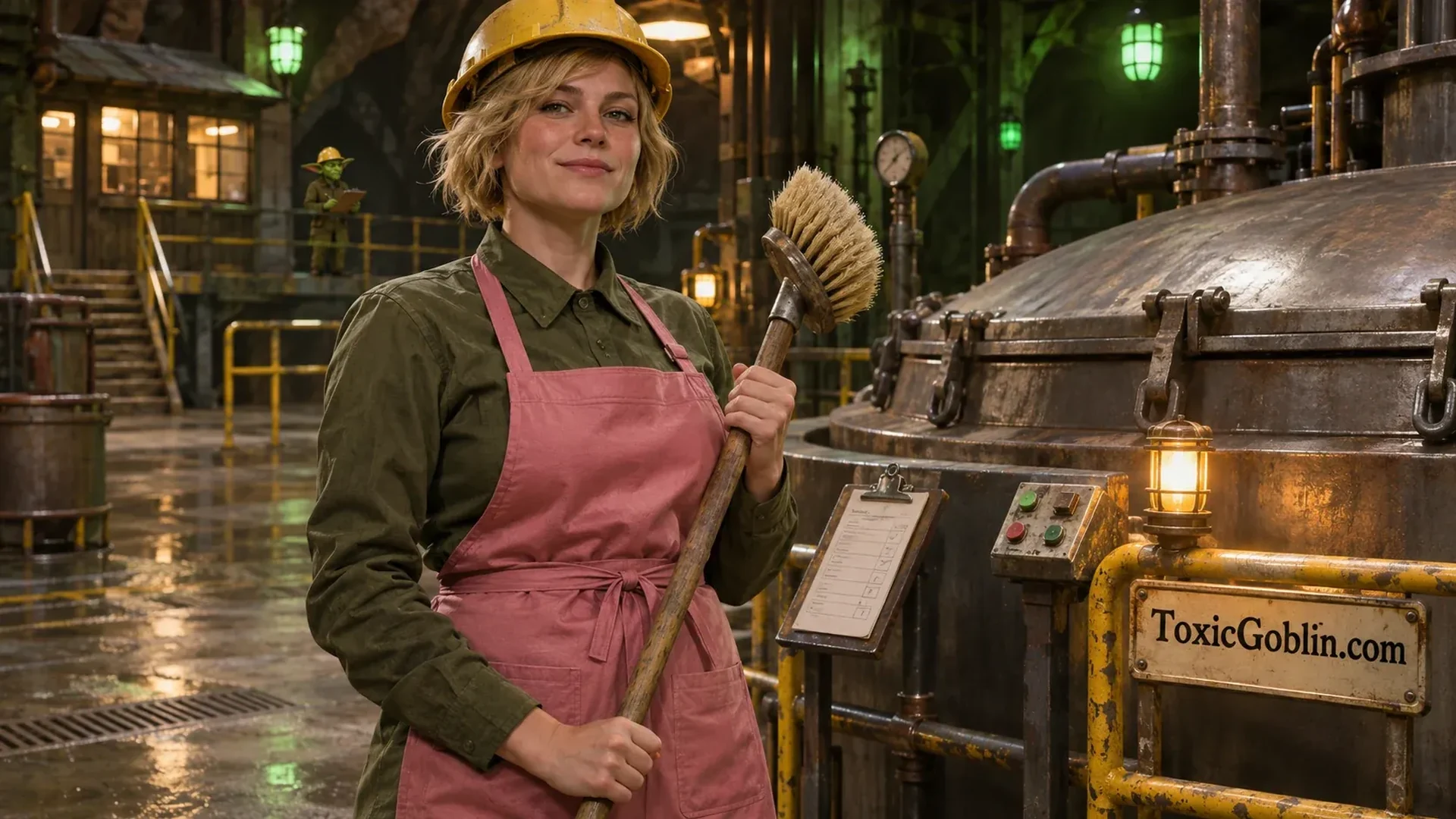
Greta Grease had promised Orra a song in her brother's voice. She had promised Senn that nobody would hear him begging for help. By the end of the shift, she would discover that both promises occupied the same groove in the iron. Her cleaning tools could erase it. They could not make room between the words.
One remembered shift contains both a treasured song and a private crisis; Greta cannot preserve one voice without keeping the other.
Owning the iron doesn't settle who owns what was said beside it.
From the dossier
Prologue — The Retirement Inventory
Vat Three was being retired from the Slaughterhouse. Its replacement stood outside under a canvas cover, accompanied by more congratulatory paperwork than Greta had received in her entire employment. As Rendering Vat Cleaner, she would prepare the empty vessel for return to the foundry.
The vat remembered voices. This was an established nuisance of memory iron, not a fault she had caused. During cleaning it sometimes repeated an argument about spoons or a joke whose original audience had shown poor judgment. Greta knew how to distinguish a replay from someone shouting behind her.
The Goblin Council knew her as the worker who could identify which shift a particular echo belonged to. She knew its archivist, Councillor Brack, from disputes about what counted as historically significant. He favoured speeches. She favoured instructions that explained why the next shift had no cups.
Brack authorized one wax horn to preserve a complete remembered shift before the final clearing. Extracting it would empty the iron permanently. The horn could replay it anywhere. Ordinary writing could preserve words, but this was the only means of carrying away the voices themselves.
Orra arrived with a cloth bag and a request. Her brother Tavi had worked beside the vat before his death. He used to sing a tune their family knew only in fragments. She had heard that Vat Three still remembered it. Greta promised to look for the right shift.
Senn came later. He had worked with Tavi and wanted a particular recording cleared without a copy. He would not initially explain why. Greta promised that nothing private would leave without his agreement. On her desk, the horn looked capable of holding both assurances because it was still empty.
Act 1
The Song Beneath the Words
Act I — The Song Beneath the Words
Greta searched the replays with the vat cold and silent between them. She found complaints, work calls and a solemn Council address interrupted by somebody dropping a bucket. Brack requested that last shift for the archive, provided the bucket could be edited out. It could not. His interest diminished.
Then Tavi began to sing. Orra stood beside Greta with the cloth bag held against her coat. The tune wandered through an unexpected low phrase, then returned to a refrain she recognized. She closed her eyes. Greta reached for the horn, relieved to have found something worth preserving.
Under the melody came another voice: Senn, frightened and struggling to speak. He had suffered a panic episode during a thunderstorm. Tavi had stayed beside him, singing between quiet instructions and ordinary conversation until he could leave. The song and the distress continued together, each inseparable from the other.
Senn entered before the replay finished. He asked Greta to stop it. She did. Orra recognized him and thanked him for telling her where to look; he had mentioned the tune to her without realizing which recording survived. They faced one another with the awkwardness of people whose gratitude had become a demand.
Orra wanted the horn kept privately. Senn wanted the shift destroyed. He did not accuse her of cruelty. He said that every time his voice asked Tavi not to tell anyone, the recording would repeat the request to another listener. Being promised discretion did not feel like having a choice.
Greta proposed a shorter copy. The vat's maker had bound a shift's voices together; even a fragment carried the entire replay. The little horn could not separate the tune from its circumstances. Orra asked whether a larger horn would help. Greta had to explain that this was not a shortage of space.
Act 2
A Claim That Was Not False
Act II — A Claim That Was Not False
Brack inspected the empty horn and declared the conversation an excellent example of workers helping one another. The archive could preserve it with restricted access. He offered serious custody arrangements, not a theatrical promise. Orra asked Senn whether that would be enough. He said it would still keep the recording against his wishes.
“Somebody owns the vat,” Brack reminded Greta. She answered that owning the iron did not settle who owned what was said beside it. He asked her to propose a rule. She had hoped to find a useful trick instead, something that would spare her from becoming the person who decided.
She tried making a fresh performance. Orra could supply the familiar refrain, and Greta could write the uncertain notes as the vat played them. They recovered most of the tune. When Greta suggested that this might be sufficient, Orra asked her to sing it. Greta understood the difference before finishing the first line.
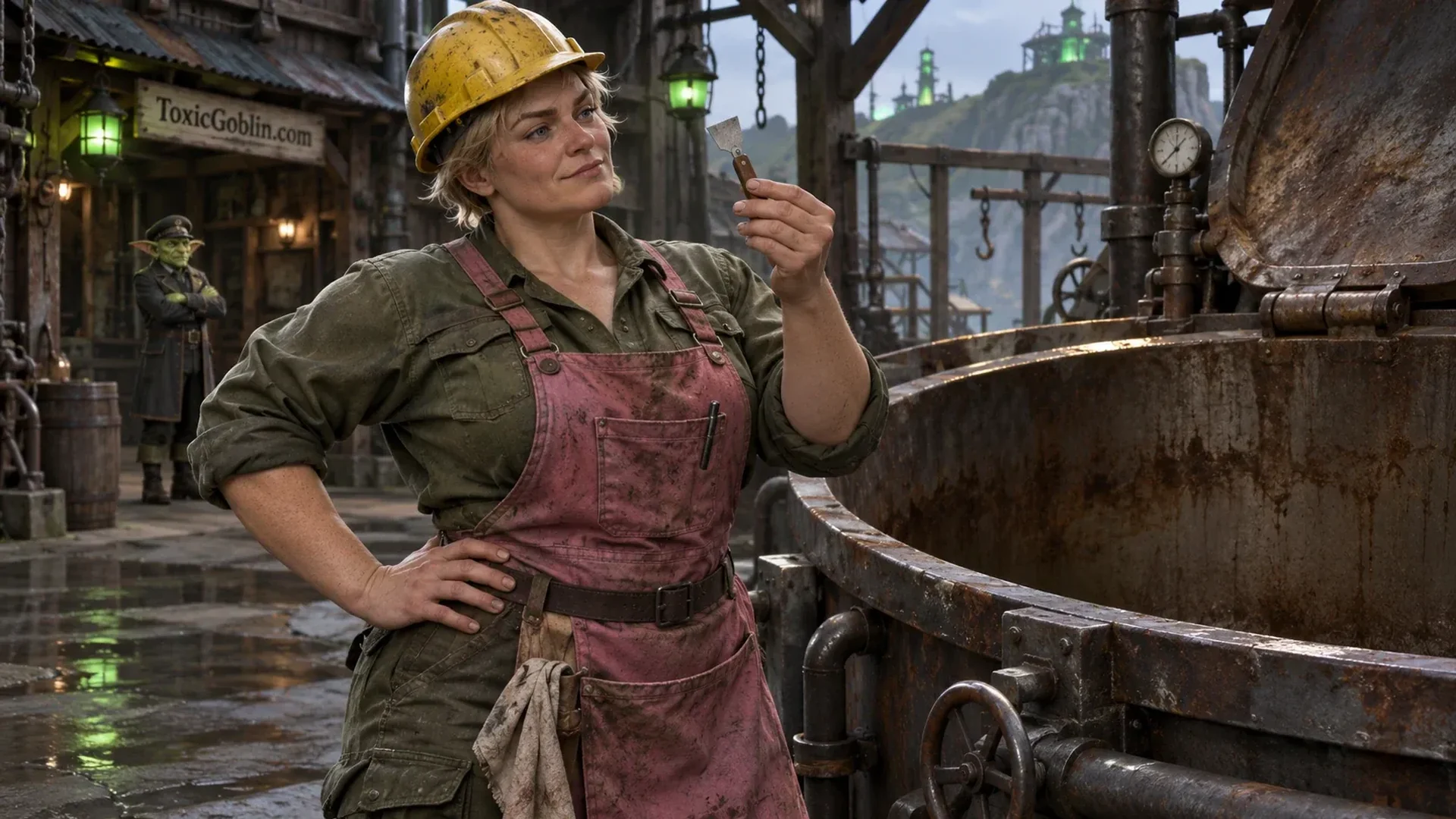
Senn offered to tell Orra what Tavi had done that night. She accepted the account, then repeated that she wanted to hear her brother. No one had lied, hidden a selfish motive or misunderstood the machinery. Greta could not make the requests compatible by explaining them more clearly.
Brack offered to delay the foundry return. Another day would permit more discussion. Senn said he would not withdraw his objection tomorrow. Orra said she would not stop wanting the song. Greta declined the delay. Extending their wait would let her appear considerate without changing what she knew.
The horn required her mark to receive the shift. The retirement order required her mark to clear it without extraction. Greta placed both documents on the desk. She chose destruction, giving Senn's refusal precedence over the claim to preserve. She told Orra herself, before touching the clearing tool. Orra put the cloth bag away.
Act 3
What the Iron Did Not Say
Act III — What the Iron Did Not Say
Orra asked for one final replay. Senn refused to remain while his fear was heard again. Greta could have treated his departure as permission, played the song and told herself she had found a compassionate exception. Instead she left the vat quiet. Orra said she had not expected Greta to become the stricter person in the room.
The clearing mark travelled through the iron like a pale seam. Greta had used it on hundreds of routine remnants. This time she knew precisely what would not be there afterwards. She completed the mark, checked the vessel and signed the destruction record. No voice answered the final test.
Senn thanked her. She accepted without asking him to reassure her about Orra. He gave Orra the written account he had prepared, including the words of the refrain he remembered. She took it. It mattered, and it did not replace what she had lost. They left by different doors.
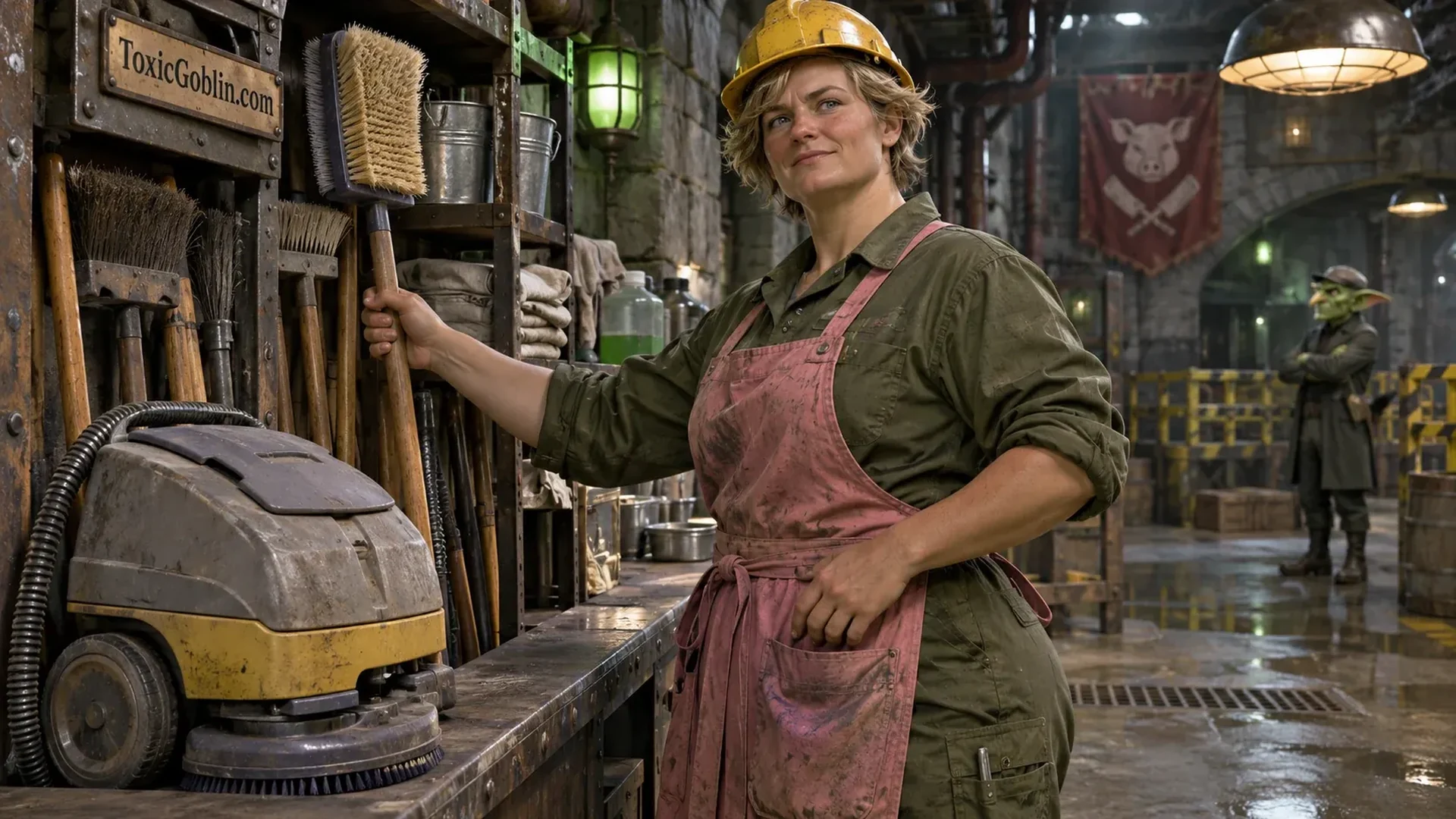
Brack recorded Greta's decision without praise or rebuke. The archive would retain the catalogue number and the reason no sound copy existed, without transcribing the private exchange. Greta insisted that the record include Orra's objection in her own words. Preserving the objection was within her power; making the decision welcome was not.
At the memorial, Orra invited Greta to help carry the benches. She did not invite her to sing. The family used the recovered tune, stumbling at the low phrase before finding their way back to the refrain. Greta stood at the rear with an empty bench against her knees and let the invitation mean exactly what it meant.
The replacement vat arrived with a new certification: all voices would be forgotten automatically, without exception. Brack called this a satisfactory end to the difficulty. Greta left the acceptance form unsigned. She had destroyed one recording for a reason; she had not decided that nobody should ever be remembered. Outside, the delivery crew waited for an answer she would now have to defend.
Two claims on a remembered shift
The Rendering Vat Cleaner at the Slaughterhouse hears more than machinery during the retirement of an enchanted vat. Greta's story places remembrance beside consent: two people can make legitimate requests about the same recording without leaving a compromise that satisfies both.